Explainer
Head of state or head of government: who does what
Kings, presidents, chancellors and a council of seven. How the two top jobs are split in each country Govpedia covers.
Updated 12 Oct 2026 · 5 min read · Facts drawn from the Govpedia record
Every state has someone who represents it and someone who runs its government. The head of state signs laws, receives ambassadors and speaks for the nation; the head of government leads the cabinet and answers for its policies. In some countries one person does both; in most, the jobs are split. Of the 193 countries in Govpedia, the split falls four ways.
A monarch reigns, a prime minister governs
In 40 countries the head of state is a hereditary monarch, and executive power lies with a head of government who needs the support of parliament. The monarch’s role is largely ceremonial; the title of the head of government varies, from Prime Minister to Spain’s President of the Government.
 AndorraEmmanuel MacronCo-Prince (French Co-Prince)Xavier Espot ZamoraHead of Government (Cap de Govern)
 Antigua and Barbuda
 Australia
 Bahamas
 Bahrain
 Belgium
 Belize
 Bhutan
 Cambodia
 Canada
 Denmark
 Eswatini
 Grenada
 Jamaica
 Japan
 Jordan
 Kuwait
 Lesotho
 Liechtenstein
 Luxembourg
 Malaysia
 Monaco
 Morocco
 Netherlands
 New Zealand
 Norway
 Papua New Guinea
 Qatar
 Saint Kitts and Nevis
 Saint Lucia
 Saint Vincent and the Grenadines
 Saudi Arabia
 Solomon Islands
 Spain
 Sweden
 Thailand
 Tonga
 Tuvalu
 United Arab EmiratesMohamed bin Zayed Al NahyanPresidentMohammed bin Rashid Al MaktoumVice President and Prime Minister
 United Kingdom
A president and a prime minister
In 92 republics both jobs exist side by side. In a parliamentary republic, such as Germany or Italy, the president is elected by parliament or the people but has limited powers. In a semi-presidential system, such as France or Ukraine, the elected president shares real executive power with a prime minister.
 Afghanistan
 Albania
 Algeria
 Armenia
 Austria
 Azerbaijan
 Bangladesh
 Barbados
 Belarus
 Bosnia and HerzegovinaDenis BećirovićChairman of the PresidencyBorjana KrištoChair of the Council of Ministers
 Bulgaria
 Burkina FasoIbrahim TraoréPresident of Faso, Head of StateRimtalba Jean Emmanuel OuédraogoPrime Minister, Head of Government
 Burundi
 Cabo Verde
 Cameroon
 Central African RepublicFaustin-Archange TouadéraPresident of the Republic, Head of StateFélix MolouaPrime Minister, Head of Government
 Chad
 China
 Côte d'Ivoire
 Croatia
 Cuba
 Czechia
 Democratic Republic of the CongoFélix TshisekediPresident of the RepublicJudith Suminwa TulukaPrime Minister, Head of Government
 Dominica
 Egypt
 Equatorial GuineaTeodoro Obiang Nguema MbasogoPresident of the RepublicManuel Osa Nsue NsuaPrime Minister in charge of Administrative Coordination
 Ethiopia
 Fiji
 Finland
 France
 Georgia
 Germany
 Greece
 Guinea
 Guinea-BissauHorta Inta-A Na ManTransitional President; Chief of the High Military Command for the Restoration of National Security and Public OrderIlídio Vieira TéPrime Minister
 HaitiCouncil of Ministers, led by Prime Minister Alix Didier Fils-AiméExercises the interim of the presidencyAlix Didier Fils-AiméPrime Minister
 Hungary
 Iceland
 India
 Iran
 Iraq
 Ireland
 Israel
 Italy
 Kazakhstan
 Kyrgyzstan
 Laos
 Latvia
 Lebanon
 LibyaMohamed al-MenfiChairman of the Presidential CouncilAbdul Hamid DbeibahPrime Minister, Government of National Unity (Tripoli)
 Lithuania
 MadagascarMichael RandrianirinaPresident of the Refoundation of the Republic of MadagascarMamitiana Jeannot Ruffin RajaonarisonPrime Minister, Head of Government
 Mali
 Malta
 Mauritania
 Mauritius
 Moldova
 Mongolia
 Montenegro
 Nepal
 NigerAbdourahamane TianiPresident of the Republic, Head of State, President of the National Council for the Safeguard of the HomelandAli Lamine ZeinePrime Minister
 North Korea
 North Macedonia
 Pakistan
 Poland
 Portugal
 Republic of Korea
 Republic of the CongoDenis Sassou NguessoPresident of the RepublicAnatole Collinet MakossoPrime Minister, Head of Government
 Romania
 Russia
 Rwanda
 SamoaTuimalealiʻifano Vaʻaletoʻa Sualauvi IIHead of State (O le Ao o le Malo)Laʻaulialemalietoa Leuatea Polataivao Fosi SchmidtPrime Minister
 San Marino
 São Tomé and Príncipe
 Senegal
 Serbia
 Singapore
 Slovakia
 Slovenia
 SomaliaHassan Sheikh MohamudPresident of the Federal Republic of SomaliaHamza Abdi BarrePrime Minister
 Sri Lanka
 SudanAbdel Fattah al-BurhanChairman of the Transitional Sovereignty CouncilKamil IdrisPrime Minister
 Timor-Leste
 TogoJean-Lucien Kwassi Lanyo Savi de TovéPresident of the RepublicFaure Essozimna GnassingbéPresident of the Council of Ministers
 Trinidad and Tobago
 Tunisia
 Ukraine
 Uzbekistan
 Vanuatu
 Vietnam
 YemenRashad al-AlimiChairman of the Presidential Leadership CouncilShaea Mohsen Al-ZandaniPrime Minister
One person, both jobs
In a presidential republic the president is both head of state and head of government, and the cabinet answers to the president rather than to parliament. 60 countries in Govpedia work this way.
 AngolaJoão LourençoPresident of the Republic
 ArgentinaJavier MileiPresident
 BeninRomuald WadagniPresident of the Republic
 BoliviaRodrigo Paz PereiraPresident of the Plurinational State
 Botswana
 BrazilLuiz Inácio Lula da SilvaPresident
 BruneiHassanal BolkiahSultan and Yang Di-Pertuan of Brunei Darussalam
 ChileJosé Antonio KastPresident of the Republic
 ColombiaAbelardo de la EspriellaPresident
 ComorosAzali AssoumaniPresident of the Union of the Comoros
 Costa RicaLaura Fernández DelgadoPresident
 CyprusNikos ChristodoulidesPresident of the Republic
 DjiboutiIsmail Omar GuellehPresident of the Republic
 Dominican RepublicLuis AbinaderPresident
 EcuadorDaniel NoboaPresident of the Republic
 El SalvadorNayib BukelePresident
 EritreaIsaias AfwerkiPresident
 GabonBrice Clotaire Oligui NguemaPresident of the Republic, Head of State
 GambiaAdama BarrowPresident
 GhanaJohn Dramani MahamaPresident
 GuatemalaBernardo ArévaloPresident
 GuyanaIrfaan AliPresident
 HondurasNasry AsfuraPresident
 IndonesiaPrabowo SubiantoPresident
 KenyaWilliam Samoei RutoPresident
 KiribatiTaneti MaamauPresident (Te Beretitenti)
 LiberiaJoseph Nyuma Boakai, Sr.President of Liberia
 MalawiPeter MutharikaPresident of the Republic
 MaldivesMohamed MuizzuPresident
 Marshall IslandsHilda HeinePresident
 MexicoClaudia SheinbaumPresident
 MicronesiaWesley W. SiminaPresident
 MozambiqueDaniel ChapoPresident of the Republic
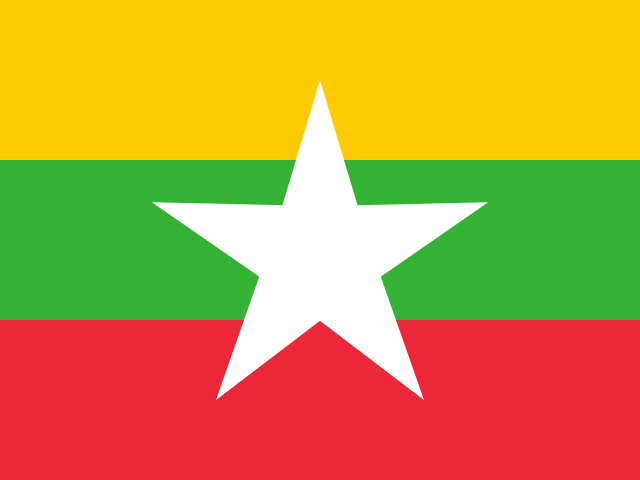 MyanmarMin Aung HlaingPresident
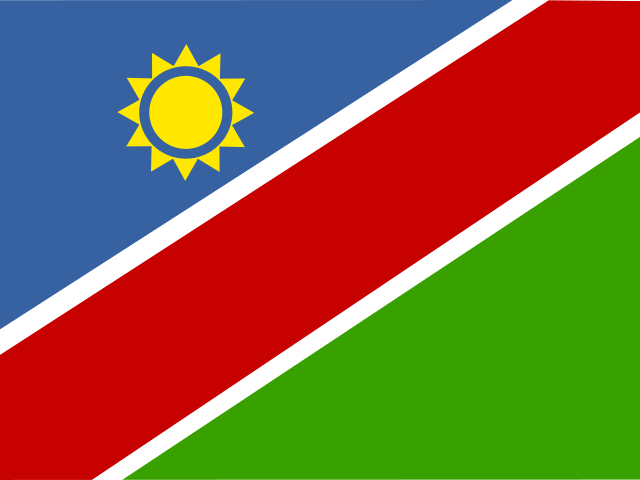 NamibiaNetumbo Nandi-NdaitwahPresident
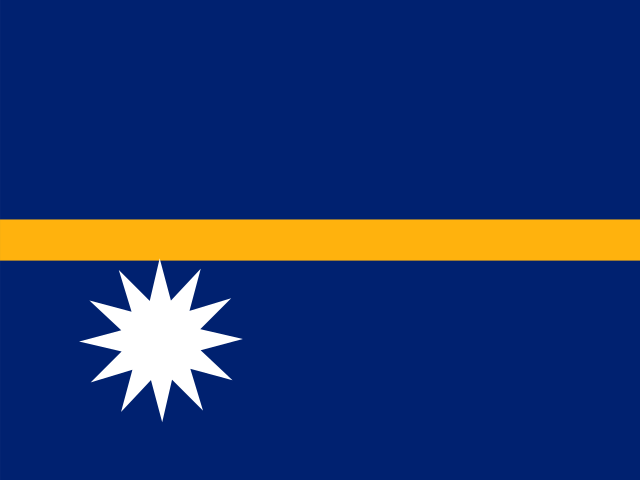 NauruDavid AdeangPresident
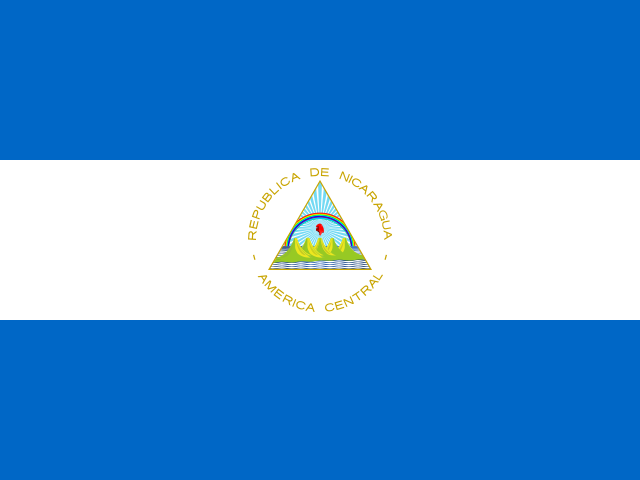 NicaraguaDaniel OrtegaCo-President
 NigeriaBola TinubuPresident
 OmanHaitham bin TarikSultan
 PalauSurangel Whipps Jr.President
 PanamaJosé Raúl MulinoPresident of the Republic
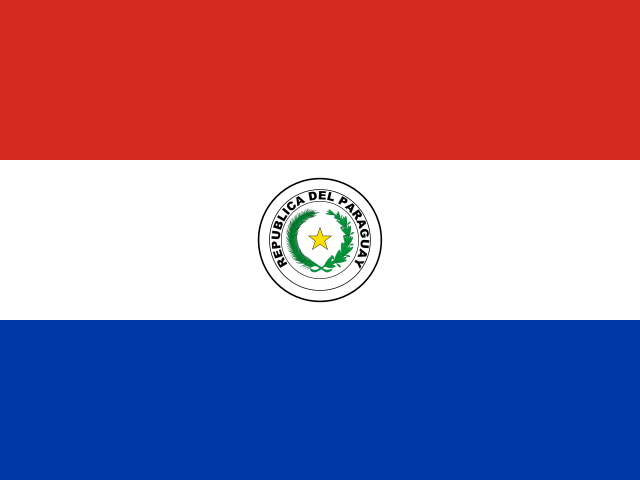 ParaguaySantiago PeñaPresident of the Republic
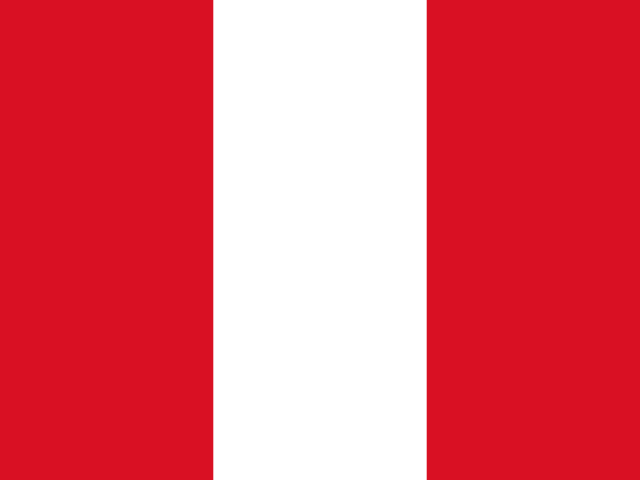 PeruKeiko FujimoriPresident of the Republic
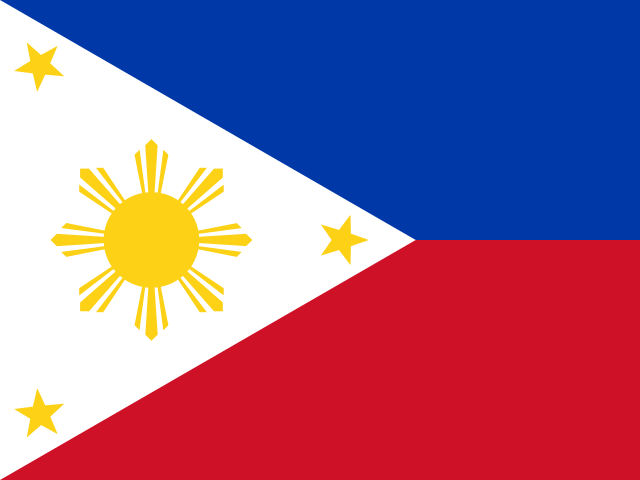 PhilippinesFerdinand Marcos Jr.President
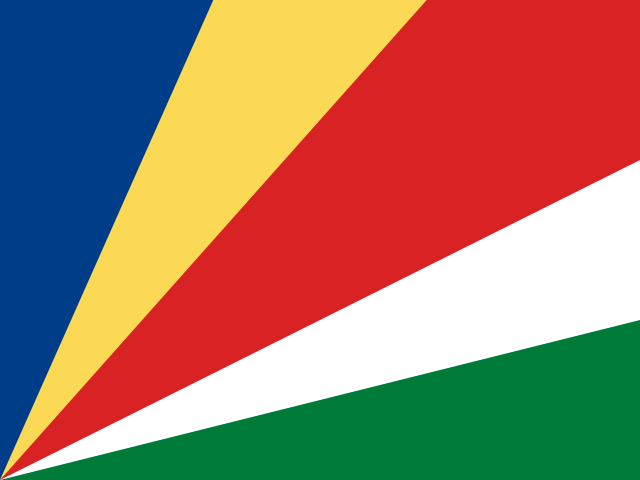 SeychellesPatrick HerminiePresident of the Republic of Seychelles
 Sierra LeoneJulius Maada BioPresident
 South AfricaCyril RamaphosaPresident
 South SudanSalva Kiir MayarditPresident
 SurinameJennifer Geerlings-SimonsPresident
 SyriaAhmed al-SharaaPresident
 TajikistanEmomali RahmonPresident
 TanzaniaSamia Suluhu HassanPresident
 TürkiyeRecep Tayyip ErdoğanPresident
 TurkmenistanSerdar BerdimuhamedovPresident
 UgandaYoweri Kaguta MuseveniPresident
 United StatesDonald J. TrumpPresident
 UruguayYamandú OrsiPresident
 VenezuelaDelcy RodríguezActing President
 ZambiaHakainde HichilemaPresident
 ZimbabweEmmerson MnangagwaPresident of the Republic
A government with no single leader
Switzerland is governed by the seven members of the Federal Council, acting together. Each year one of them serves as President of the Confederation, chairing the council and representing the country, without extra power over the others.
 SwitzerlandGuy ParmelinPresident of the Confederation (2026)Federal CouncilCollective head of government